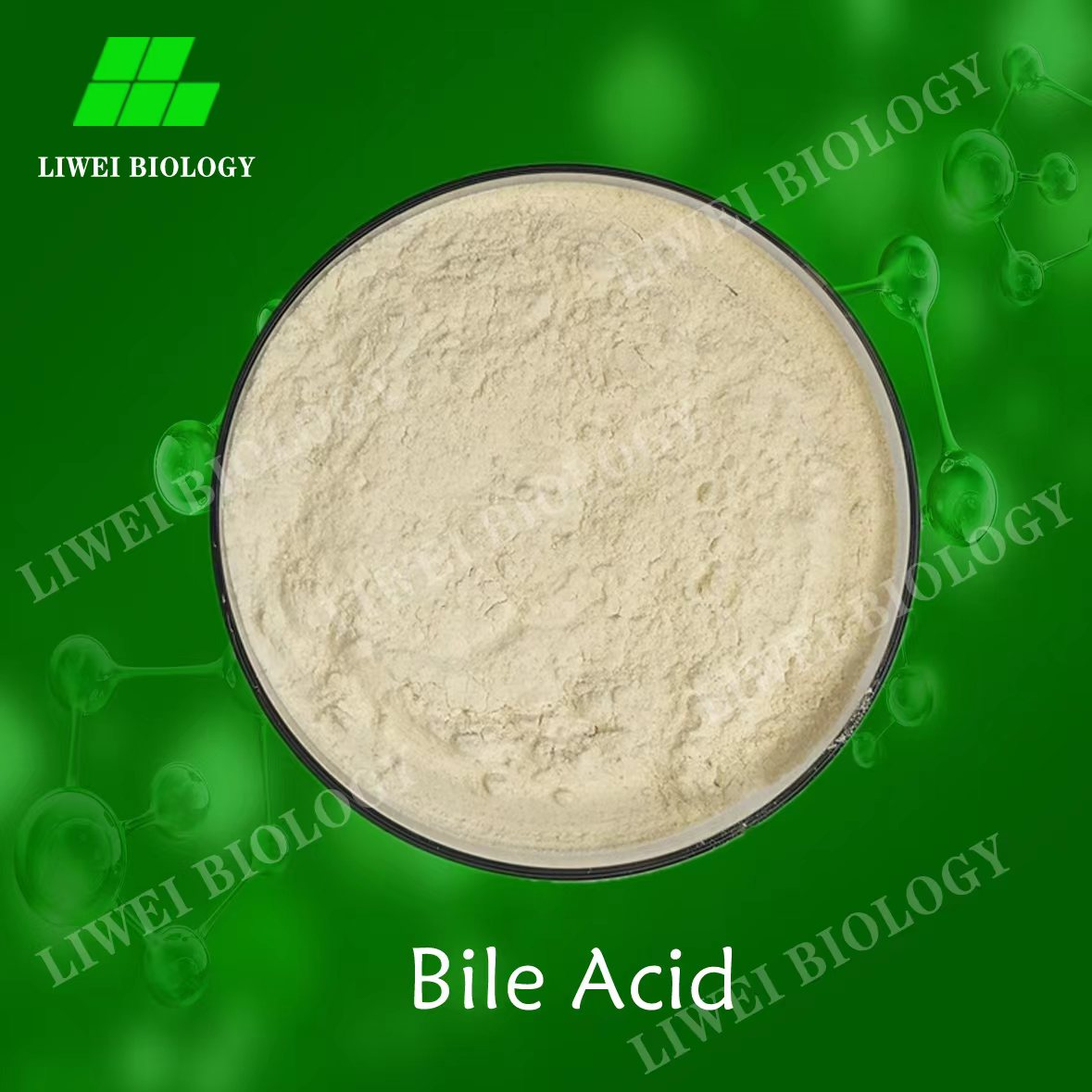
Dual Synergistic Effects of Bile Acids: Boost Lipase Activity & Improve Protein Retention
Poor dietary fat digestion and low protein utilization in farming not only increase feed conversion ratio and production costs, but also easily lead to fat deposition and slow growth performance. As a core functional feed additive, bile acids dual optimize digestive metabolism, effectively boost lipase activity and improve protein retention efficiency to solve key farming challenges precisely.
Bile acids activate lipase structurally: lipase naturally has a shielded structure, making its active sites inaccessible to substrates. Supplementing bile acids can alter the spatial conformation of lipase and expose catalytic sites, which significantly enhances the activity of intestinal, hepatic and lipoprotein lipases. It efficiently emulsifies and decomposes dietary fats, maximizes nutrient absorption of high-fat feed, reduces fat accumulation in the intestine and liver, and protects the health of the liver, gallbladder and intestinal tract.
Meanwhile, bile acids deliver an excellent protein-sparing effect. By regulating lipid and glucose metabolism, they prevent excessive protein breakdown for energy supply and direct more proteins toward somatic growth and deposition. Practical tests prove that proper bile acid supplementation in diets greatly improves animal protein digestibility and retention, minimizes nutrient loss, and converts feed protein into body weight gain to the maximum extent.
Without costly formula adjustments, bile acids achieve dual breakthroughs in efficient fat digestion and improved protein retention. It reduces feed waste, shortens farming cycles and enhances animal health status, serving as a high-efficiency and cost-effective essential additive for quality and yield improvement in aquaculture and livestock farming ✨
News

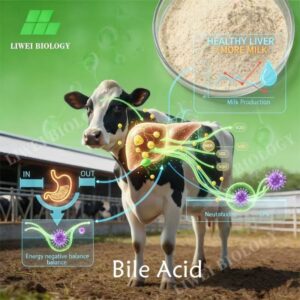
Why Bile Acids Matter NowDuring the transition period (3 weeks before to 3 weeks after calving)?
Why Bile Acids Matter NowDuring the transition period (3 weeks before to 3 weeks after