🦐 Win at the Starting Line! How Bile Acids Guard Early Shrimp Nutrition & Health
In shrimp farming, early-stage management dictates the final survival rate and yield. However, shrimp have a natural physiological “weakness”: they cannot synthesize bile acids on their own.
🔍 Why are Bile Acids Critical for Post-Larvae?
The hepatopancreas in shrimp functions similarly to the human liver and pancreas combined—it is the core of digestion and immunity. During early growth, supplementing bile acids serves three key functions:
Boosting Fat & Cholesterol Absorption Shrimp rely heavily on cholesterol for molting and growth. Bile acids effectively emulsify fats, improving the utilization of cholesterol and fat-soluble vitamins. This ensures smoother molting and more uniform growth sizes.
Protecting the Hepatopancreas Young shrimp have underdeveloped digestive tracts and are highly vulnerable to toxins. Bile acids bind to endotoxins and promote the excretion of heavy metals and drug residues, ensuring a clear, well-defined, and healthy hepatopancreas.
Enhancing Immunity & Stress Resistance During the “transition phase” or environmental shifts (such as heavy rain or water changes), bile acids increase immune enzyme activity. This strengthens the shrimp’s ability to resist stress and helps prevent early-stage diseases like “Early Mortality Syndrome”.
💡 Management Tips
Early Intervention: Start adding bile acids to the feed during the initial nursery stage or immediately after stocking.
Focus on the Transition Phase: During the critical hepatopancreas transition period (usually 20-30 days after stocking), ensure consistent dosage to help shrimp bypass this vulnerable window.
Summary: Bile acids are more than just a nutritional additive; they are a “protective umbrella” for health. Safeguarding the hepatopancreas is the best way to safeguard your investment!
#ShrimpFarming #Aquaculture #BileAcids #HepatopancreasHealth #SustainableFarming
News

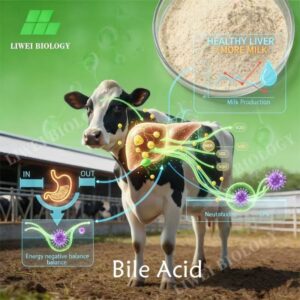
Why Bile Acids Matter NowDuring the transition period (3 weeks before to 3 weeks after calving)?
Why Bile Acids Matter NowDuring the transition period (3 weeks before to 3 weeks after