How does bile acid concentration “regulate” Gram-positive bacteria? The answer is here
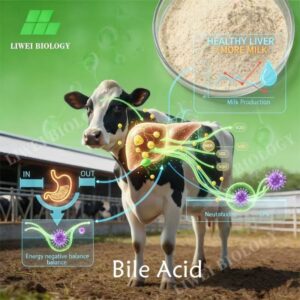
In the “game” between microorganisms and the host, bile acids play a crucial role! Did you know that changes in their concentration have a drastic impact on the survival and reproduction of Gram-positive bacteria, and can even directly shape the gut microbiota structure? 👇 First, key points: Bile acids are amphiphilic molecules secreted by the liver, divided into primary and secondary types. After entering the intestines, they not only aid in fat digestion but also act as natural “microbiota regulators.” Gram-positive bacteria (such as Staphylococcus, Streptococcus, and Lactobacillus) lack an outer membrane barrier and are particularly sensitive to changes in bile acid concentration.
🔍 High Concentration Bile Acids: “Deadly Killers” of Gram-Positive Bacteria
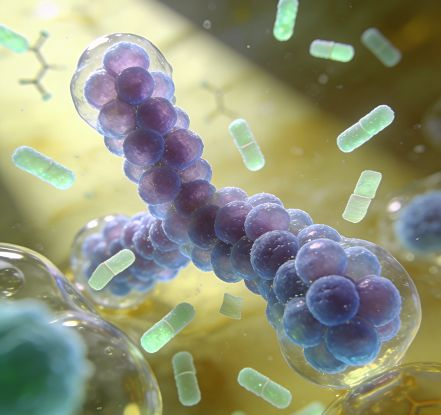
When bile acid concentrations increase, their hydrophobic ends easily insert into the phospholipid bilayer of Gram-positive bacteria, disrupting lipid arrangement and damaging cell membrane integrity—like creating countless tiny holes in the bacteria’s “protective wall,” causing leakage of key substances such as proteins and nucleic acids. Harmful external substances then invade, ultimately leading to bacterial death or growth stagnation.
More importantly, high concentrations of bile acids also inhibit bacterial metabolic enzyme systems! For example, they inhibit succinate dehydrogenase in the tricarboxylic acid cycle, hindering bacterial energy production; simultaneously, they interfere with the activity of carbohydrate and protein metabolic enzymes, cutting off the bacteria’s “nutrient supply,” resulting in a double-edged sword and maximum antibacterial effect. Highly hydrophobic bile acids like deoxycholic acid are particularly effective at destroying Gram-positive bacteria.
🌱 Low Concentration Bile Acids: Gentle “Regulators” Rather Than “Inhibitors”
Not all bile acids are “exterminating” against Gram-positive bacteria! At low concentrations, the antibacterial effect of bile acids is significantly weakened, and they can even slightly activate specific enzyme activities in some beneficial Gram-positive bacteria, promoting their growth.
For example, in the gut, suitable low bile acid concentrations can screen out resilient beneficial bacteria (such as lactic acid bacteria), helping them occupy their ecological niches while inhibiting the overgrowth of harmful Gram-positive bacteria, thus maintaining gut microbiota balance. This also explains why the dynamic stability of bile acid concentrations in the gut is crucial for gut health.