Today, let us explore the effects of on the inflammatory response in the livers of laying hens with fatty liver hemorrhagic syndrome.
For the global laying hen industry, Fatty Liver Hemorrhagic Syndrome (FLHS) is a costly nutritional metabolic disorder—prone to peak laying periods, causing hepatic hemorrhage, steatosis, reduced egg production, and high mortality. With its pathogenesis not fully clear, effective interventions are urgently needed.
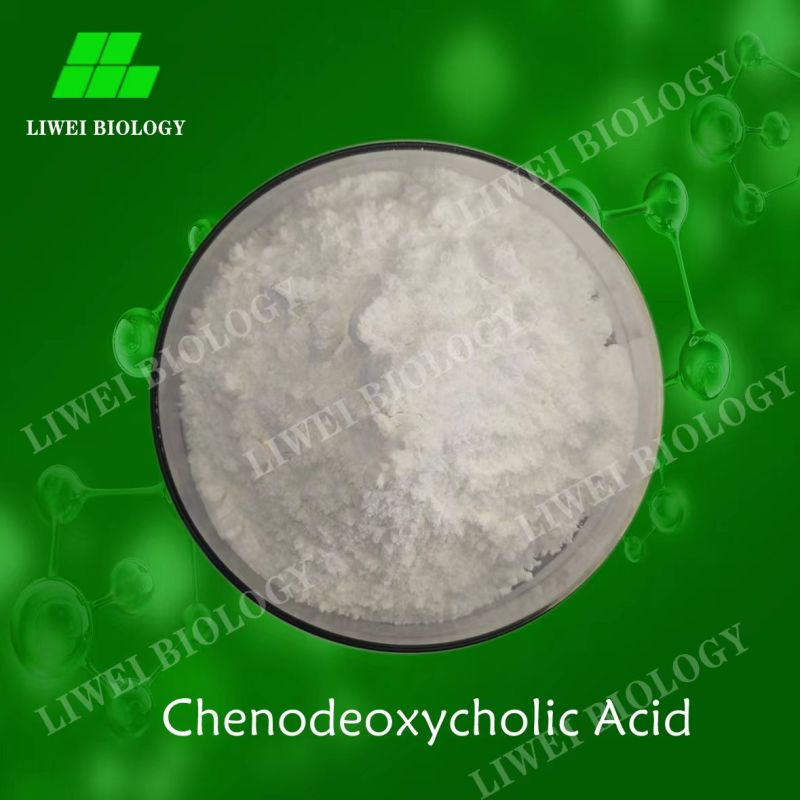
Our latest research reveals a promising solution: Chenodeoxycholic acid (CDCA) significantly mitigates liver inflammation in FLHS-affected laying hens. Using a high-energy, low-protein diet to induce FLHS, we treated hens with CDCA and evaluated liver pathology via HE staining, qPCR, and ELISA.
Key findings: CDCA reduced hepatic hemorrhage and fat vacuoles, lowered transaminase levels, and regulated macrophage polarization—it inhibited pro-inflammatory M1-type polarization and related signaling pathways (JAK-STAT, LPS-TLR4-Myd88-NF-κB) while promoting anti-inflammatory M2-type polarization.
This mechanism addresses FLHS’s “second strike” (inflammatory response post-steatosis) and fills a gap in nutritional interventions. As bile acid levels decline in FLHS, CDCA’s targeted regulation offers a natural, effective strategy to protect liver function.
A game-changer for intensive farming, CDCA helps reduce economic losses from FLHS while supporting sustainable, healthy egg production. Let’s connect to dive deeper into its application in poultry nutrition!