Bile Acids: Modulating Fish Hematological Profiles for Aquatic Health
Bile acids can improve fish hematological health in modern aquaculture. Fish blood acts as a simple, reliable marker to judge animal wellness. It tells farmers how well their stock copes with farm conditions.
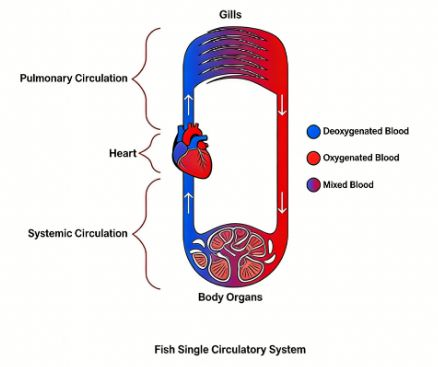
Three core blood metrics decide survival and profit. Red blood cells carry oxygen. White blood cells drive immune defense. Plasma keeps metabolism steady. Many producers focus on growth and feed efficiency. They often ignore these critical blood markers.
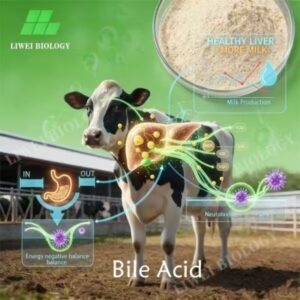
Bile acids are best known for breaking down fats and protecting the liver and gallbladder. But these feed additives also shape fish blood health. This important function is frequently overlooked. They do more than aid digestion. They support blood parameters, immune response and stress tolerance.
How Bile Acids Support Fish Blood Health
1. Boost Oxygen Transport
Bile acids support blood cell formation. They raise hemoglobin and red blood cell counts. More oxygen reaches all fish tissues. Energy production improves. Fish become more resistant to common stress triggers. These triggers include high stocking density, temperature swings and poor water quality.
2. Strengthen Natural Immunity
These active compounds boost white blood cell activity. They lift levels of protective enzymes like lysozyme and SOD. A stronger non-specific immune system lowers infection risk. It cuts disease losses in ponds and tanks.
3. Stabilize Metabolism and Protect the Liver
Bile acids balance blood glucose and cholesterol. They maintain stable internal conditions. They also reduce ALT and AST leakage into the blood. Lower enzyme levels mean less liver cell damage. Healthy liver function keeps blood profiles balanced. This creates a positive cycle for farmed fish.
Key Tips for Dosing
Results depend heavily on inclusion level. Careful dosing is essential. Too much bile acid thickens blood. It adds extra metabolic stress to the liver and hurts performance.
There is no single universal dose. Formulations must match the fish species. They also need to fit the animal’s growth stage and current environmental stress. Farmers can use trial data and nutrition advice. This helps them add bile acids to feed plans and get better farm returns.