How to solve the Fatty Liver Hemorrhagic Syndrome of Layer?
Fatty Liver Hemorrhagic Syndrome (FLHS) is a common nutritional and metabolic disease during the laying period. It typically manifests as a sudden drop in egg production, obesity in chickens, and in severe cases, can lead to sudden death due to liver rupture.
To address this problem, we need a “three-pronged approach” from three dimensions: nutritional adjustment, feeding management, and drug assistance:
1. Nutritional Regulation (Core Approach)
As the disease is usually caused by excess energy, adjusting feed formulation is key: Reduce dietary metabolizable energy (ME) by corn proportion and increasing crude fiber (e.g., bran). Control oil intake and avoid inferior/rancid oils. Supplement “anti-fatty liver factors”: choline (promotes liver fat transport), methionine (aids fat metabolism), cutting vitamins (E, B12, biotin), and inositol (reduces liver fat) accumulation).
2. Adjunctive Drug Treatment
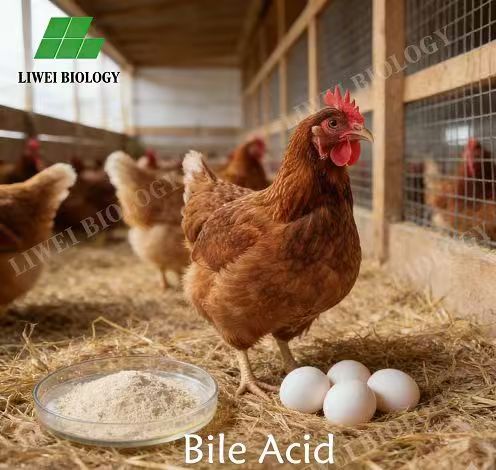
For group infection, intervene via drinking water or feed: Protect liver and gallbladder with traditional Chinese medicine (Gentian Root and Licorice Powder) or additives containing bile acids/liquorice extract. Add sodium selenite and vitamin E, which synergistically protect liver cell membranes from oxidative damage and lower mortality.
3. Optimize Feeding Management
Restrict feed for overweight flocks (5%-10% reduction) without affecting essential amino acids and minerals for egg production. Increase exercise by frequent inspections and artificial disturbance to encourage caged chickens to expend energy. Control environment: Strengthen ventilation and cooling in summer to alleviate liver burden from heat stress-induced metabolic disorders.