Optimizing Aquatic Health: The Role of Bile Acids in Modulating Hematological Profiles
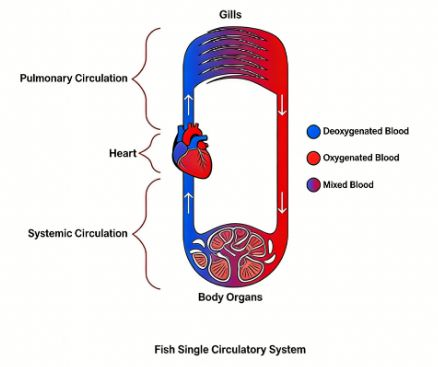
In aquaculture, fish blood serves as a vital physiological barometer. The oxygen-carrying capacity of erythrocytes (red blood cells), the immunological vigor of leukocytes (white blood cells), and the metabolic stability of plasma are the primary determinants of shoal survival and overall farm profitability.
While bile acids are widely recognized for their role in lipid emulsification and hepatobiliary protection, their profound impact on hematological regulation is often overlooked.
The Triple Mechanism of Bile Acids on Hematic Health
Enhancement of Erythropoiesis & Oxygen Transport Bile acids stimulate hematopoietic functions, leading to increased hemoglobin (Hb) levels and red blood cell (RBC) counts. This optimizes systemic oxygen distribution and ATP production, significantly boosting the fish’s metabolic vitality and stress resistance.
Immunomodulatory Strengthening Beyond digestion, these compounds enhance the phagocytic activity of leukocytes and elevate the titers of immune-related enzymes (such as lysozyme and SOD). This strengthens the non-specific immune system, effectively lowering the incidence of pathogenic infections.
Metabolic Homeostasis & Hepatoprotection Bile acids assist in regulating blood glucose and cholesterol levels, maintaining a stable internal environment. Furthermore, they reduce the leakage of transaminases (ALT/AST) into the bloodstream, signaling a reduction in hepatic cell damage and promoting superior liver and gallbladder function.
Strategic Implementation & Precision Dosing
The efficacy of bile acids is strictly dose-dependent. Precise application is critical, as excessive supplementation can lead to increased blood viscosity and secondary metabolic stress on the liver.
Optimal inclusion rates are not “one-size-fits-all.” Formulations must be calibrated based on species-specific requirements, life stages, and current environmental stressors.